 Fire Safety Awareness: Building the Mindset That Saves Lives
Fire safety awareness isn’t just a professional requirement—it’s a life-saving mindset. Whether you work in a large building, manage facilities, or oversee emergency preparedness, understanding how to react under pressure can make a critical difference. Resources like the
f80 practice test can help reinforce essential knowledge, but real mastery comes from developing awareness, judgment, and proactive habits in everyday scenarios.
Understanding the Importance of Fire Safety Awareness
Every year, countless lives and properties are affected by preventable fires. While fire prevention systems and alarms play a crucial role, the human element—your awareness, readiness, and decision-making—remains the most important factor.
Core Areas of Fire Safety Awareness
To enhance your fire safety mindset, focus on these key areas:
- Fire Prevention: Identify and eliminate common fire hazards like overloaded outlets, flammable materials, or blocked exits.
- Emergency Procedures: Familiarize yourself with evacuation routes, assembly points, and alarm systems.
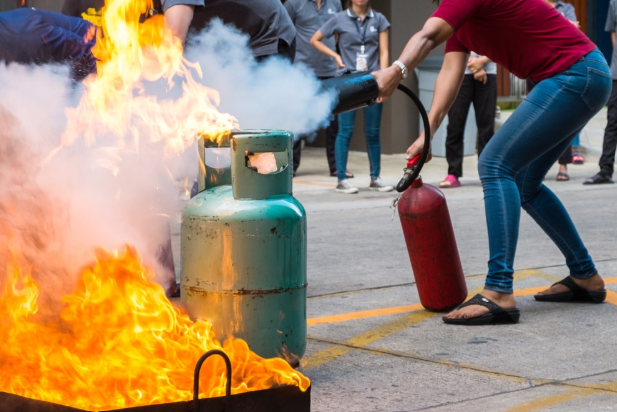
- Fire Control: Learn how to use basic firefighting tools such as
fire extinguishers, blankets, and sprinklers effectively.
- Risk Assessment: Spot potential hazards in your environment and address them before they escalate.
- Communication: Stay calm and communicate clearly during emergencies—leadership contains panic.
These principles lay the groundwork for confident decision-making when it matters most.
Developing the Right Mindset for Fire Safety
A safety-first mindset starts with awareness but thrives on responsibility. Whether you’re a fire safety coordinator, facility manager, or employee, your attitude shapes the safety culture around you.
- Stay proactive: Don’t wait for incidents before taking safety measures.
- Be observant: Regularly inspect your environment for hazards.
- Encourage communication: Promote open discussions about safety concerns among your team.
- Keep learning: Stay updated on fire safety protocols and regulations.
By adopting these attitudes, you’re not just protecting yourself—you’re creating a safer environment for everyone around you.
Making Smart Decisions Under Pressure
In fire-related emergencies, every second counts. The ability to make effective decisions relies on preparation, composure, and situational awareness.
- Practice visualization: Mentally rehearse fire scenarios and your responses.
- Stay calm: Use breathing techniques to manage panic.
- Prioritize safety: Always ensure personal safety before attempting to control a fire.
- Trust your training: Rely on your drills and practice to guide your actions.
When you practice decision-making in low-stress situations, it becomes second nature in real emergencies.
Building Effective Team Coordination
Fire safety isn’t an individual task—it’s a team effort. Coordination ensures everyone knows their role and can execute it efficiently.
- Regular drills: Conduct fire drills to improve familiarity and speed.
- Clear role assignments: Define each person’s responsibility during an emergency.
- Post-drill evaluations: Discuss what worked and what didn’t to refine the plan.
- Encourage feedback: Open dialogue uncovers overlooked safety issues.
When teams work cohesively, they prevent confusion and ensure an organized, calm response.
Enhancing Fire Safety Knowledge Through Continuous Learning
Continuous learning is vital in maintaining safety competency. Even experienced professionals benefit from refresher training, updated protocols, and modern safety insights.
- Attend workshops or seminars on fire prevention and emergency management.
- Review official safety guidelines from local fire departments or organizations.
- Explore online learning resources on fire dynamics and emergency planning.
- Use materials like manuals, case studies, or simulated assessments to reinforce understanding.
Resources such as the f80 practice test offer valuable exposure to real-world concepts, helping learners gauge their readiness and identify areas for improvement.
The Role of Technology in Fire Safety Training
Modern technology has made fire safety education more interactive and effective than ever. Virtual simulations, mobile training apps, and digital systems can transform how individuals and teams prepare for emergencies.
- Virtual Reality (VR) drills: Create realistic fire scenarios in controlled environments.
- Mobile apps: Access emergency checklists and reporting tools quickly.
- Smart building systems: Use sensors and automation to enhance response times.
Leveraging technology ensures continuous engagement and accessibility—making preparation easier and more effective.
Common Mistakes to Avoid in Fire Safety Preparedness
Even well-intentioned individuals can overlook critical details. Avoiding common mistakes can significantly improve safety outcomes:
- Ignoring small hazards like cluttered hallways or blocked exits.
- Skipping regular equipment checks or extinguisher inspections.
- Failing to participate in drills or treating them lightly.
- Not updating emergency plans as buildings or staff change.
- Assuming “it won’t happen here.”
Awareness of these errors helps correct them early and create a more reliable safety culture.
Final Thoughts
Developing fire safety awareness and strong decision-making skills isn’t about memorizing procedures—it’s about internalizing the mindset of preparedness, care, and calm action. Tools like the
f80 practice test can support your growth, but genuine confidence comes from continuous learning, hands-on practice, and a shared commitment to safety. |